Ministry of natural resources and environmental protection of the Republic of Belarus Map Republic

BELHYDROMET

Ru Be En
всв
youtube.com telegram viber instagram vk
  • About us
    • Structure
    • History
    • Periodicals
  • Activities
    • Agrohydrometeorology
    • Radiation and Ecology
    • Aviation weather reports
    • Scientific activity
  • Services
    • Requisites
  • Press center
    • News and events
  • Contacts
    • Guidance of Belhydromet
    • Reception
    • Office management department
  • instagram telegram X
  • Ru Be En
  • Блок 3 в 1
Main / Блок 3 в 1

Блок 3 в 1
10.07.2026
"Bernadette" on the decline: what will the weather be like in Belarus?
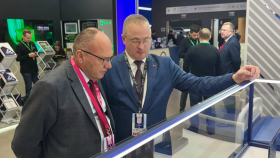
Cyclone "Bernadette": what next? Marina Gritskevich , Head of the Meteorological Forecast Service of Belhydromet, spoke about when warm weather will return to Belarus and what the forecast is for the upcoming weekend. For more details, see the video material (source: BelTA website).
09.07.2026
Radiation monitoring in Belarus
On 9 July , a training session for advanced training of employees was held at the Republican Centre for State Environmental Expertise, Training, Advanced Training and Retraining of Personnel of the Ministry of Natural Resources and Environmental Protection. The speaker was Vladimir Samsonov , Head of the Radiospectrometry Department of the Radiation Monitoring Service. Since 1963, measurements of gamma radiation dose rate have been carried out in Belarus at the network of hydrometeorological stations, and later control points for radioactive fallout from the atmosphere were introduced (sampling of natural fallout from the atmosphere was carried out using horizontal collectors). There are 120 radiation monitoring observation points operating on the territory of the Republic of Belarus. The objects of observation during radiation monitoring are atmospheric air, soil, surface and ground waters. Radiation monitoring is carried out for the purpose of monitoring: - the natural radiation background; - the radiation background from potential sources of radioactive contamination, including for the assessment of transboundary transport of radioactive substances; - radioactive contamination of atmospheric air, soil, surface and ground waters in the territories exposed to radioactive contamination as a result of the Chernobyl NPP accident. Monitoring of the natural radiation background and radioactive contamination of atmospheric air is carried out at 43 observation points throughout the Republic (including 3 observation points in the area of the Belarusian NPP location). Currently, the network of radiation monitoring observation points for atmospheric air of Belhydromet includes: - 41 dosimetric posts – measurement of gamma radiation dose rate (stationary); - 25 observation points for natural fallout from the surface atmospheric layer (using horizontal collectors); - 12 observation points for radioactive aerosols in the surface atmospheric layer (using filter-ventilation units). The soil radiation monitoring network consists of 52 observation points, including 38 reference sites and 14 landscape-geochemical polygons. Radiation monitoring of surface waters on the territory of the Republic of Belarus is carried out at 19 observation points: - 6 main rivers of Belarus flowing through territories contaminated as a result of the Chernobyl NPP accident; - 7 transboundary observation points located in the zones of influence of nuclear power plants of neighbouring states; - 3 observation points located in the area of the Belarusian NPP location; - 3 observation points located on the territory of the Polesie State Radiation-Ecological Reserve. Bottom sediments are sampled once a year at surface water bodies in the area of the Belarusian NPP location, and at other observation points – once every three years. At 6 observation points of groundwater radiation monitoring, the determination of total alpha and beta activity and the content of caesium-137 and strontium-90 radionuclides is carried out. The Chernobyl accident demonstrated the importance and necessity of maintaining a high level of the national system for early detection and warning of possible radiological emergencies, and also stimulated the creation and development on the territory of the Republic of Belarus of an automated system for radiation environment control in the zones of influence of nuclear power plants. Currently, the automated system for radiation environment control located in the zones of influence of nuclear power plants of neighbouring states includes 23 automatic radiation monitoring posts operating in continuous mode in the zones of influence (in the 100 km observation zone): Smolensk NPP – 5; Chernobyl NPP – 6; Rivne NPP – 4; Ignalina NPP – 8. Continuous control of the radiation environment is ensured by 10 automatic radiation monitoring posts of the automated system for radiation environment control in the zone of influence of the Belarusian NPP.
09.07.2026
Belhydromet discusses key aspects of family support and child rights protection
Today, July 9 , an informational and preventive meeting with the workforce was held at Belhydromet as part of the "Parental Non-Meeting" project, featuring Y elena Shulgina, Senior Inspector of the Education Department of the Pervomaisky District Administration . The key topics of discussion were the formation of a healthy microclimate within families, as well as the identification and prevention of family dysfunction. The meeting was aimed at enhancing the pedagogical and legal awareness of employees and ensuring the safety of the younger generation. At the beginning of her talk, Yelena Shulgina provided a detailed explanation of the concept of family well-being. She noted that a well-functioning family is not merely about the absence of material problems, but primarily about a favorable emotional atmosphere, respect, mutual understanding between parents and children, and the creation of conditions for the harmonious development of a child's personality. The Senior Inspector outlined the factors that lead to children being recognized as being in a socially dangerous situation. The meeting continued in the format of an open dialogue, during which Belhydromet employees had the opportunity to ask the speaker questions of interest to them. Topics discussed included parental responsibility and psychological support for adolescents during crisis periods. Holding such events helps foster an active civic stance among members of the workforce, as caring for children and attention to family issues are a shared responsibility of society and the state. Belhydromet extends its gratitude to the Education Department of the Pervomaisky District Administration of Minsk and personally to Yelena Shulgina for their substantive presentation.
09.07.2026
Under the influence of cyclone Bernadette
The North Atlantic cyclone Bernadette , which has been affecting Belarus's weather for the past two days, has brought cool weather with heavy precipitation and gusty winds. The brunt of the storm hit on July 8 (Wednesday), when an orange hazard level was declared due to strong gusty winds. Today, July 9 , the cyclone's center is located over the Baltic countries, and tomorrow, July 10 , it will shift to the western regions of our country. Filling with cold air, the atmospheric vortex will gradually lose its intensity. As a result, cloudy and rainy weather will persist across the republic until the end of this week. Under the influence of atmospheric fronts from Cyclone Bernadette, rains of varying intensity will occur in most regions of the country. During the daytime on July 11-12 (Saturday-Sunday), precipitation will locally reach the criteria for heavy rain. With the development of convective clouds, thunderstorms are expected in some areas of the country. At the same time, due to the advection of cooler air masses, nighttime lows will range from +7 +9°C to +13 +15°C, while daytime highs will vary from +16°C in the west to +25°C in the east. Subsequently, the North Atlantic cyclone will merge with the Caspian cyclone, forming an extensive cyclonic depression centered over the European territory of Russia. The cloudy vortex formed by this regeneration will continue to deliver new rounds of precipitation to our country in the first days of the coming week, while also paving the way for warmer air masses. After that, an anticyclone from Western Europe will begin to improve the situation, reducing cloud cover and precipitation. Thus, the damp autumn-like weather will give way to summer warmth returning to Belarus.
09.07.2026
Press Conference: "Analysis of weather conditions prevailing on the territory of the Republic of Belarus in the first half of 2026"
A press conference on the topic "Analysis of weather conditions prevailing on the territory of the Republic of Belarus in the first half of 2026" was held at the National Press Centre of the Republic of Belarus. Ekaterina Istomina, Head of the Hydrology and Agrometeorology Service of Belhydromet: At the end of December, ice formations in the form of shore ice and slush ice appeared on most rivers and water bodies of the country, and thin ice cover formed on certain sections of rivers in the Western Dvina and Pripyat basins. In January, frosty weather contributed to the intensification of ice formation processes; by the end of the second decade, ice cover and ice cover with polynyas had established almost everywhere on the country's water bodies. Subsequently, an increase in ice thickness was observed; by the last day of January, the ice cover thickness was close to normal and somewhat below it. Despite the significant amount of snow that fell this winter (maximum snow water equivalents were observed in the second half of February and were higher than usual for this time of year), spring processes on the country's water bodies developed slowly and calmly. This was facilitated by the weather pattern in March: 1. positive air temperatures during the day and frosts at night; 2. absence of precipitation. The combination of these factors significantly reduced surface runoff; therefore, during the period of spring flood peak formation, the rate of water level rise in rivers was low. The spring flood peaks completed their formation in March – early April. The maximum water levels in rivers, as expected, were close to the average long-term maxima and somewhat below them. During the spring flood, inundation of river floodplain areas was observed. Water levels approached dangerously high levels on the Pronya River (a tributary of the Sozh) and on the Sluch, Ubort and Prych rivers (tributaries of the Pripyat). According to the Ministry of Emergency Situations, flooding of residential houses, farmsteads, outbuildings, bridges and road sections was recorded in the Gomel, Mogilev and Vitebsk regions. In May, water level fluctuations were observed on the country's rivers, with a tendency to rise in the middle of the month as a result of precipitation. Due to the low spring flood and minor rises in May, river water content by the end of spring was lower than usual for this time of year. In early June, a decline in water levels prevailed on the rivers. At the end of the first decade, precipitation caused water levels to rise on most rivers of the country; in some sections, water remained on the floodplain for a short time. From the end of the second decade until the end of the month, a decline in water levels was observed on the rivers, and navigation conditions deteriorated on navigable sections of the Dnieper, the Berezina near Bobruisk and the Sozh near Gomel. The water content of the Western Dvina and Pripyat in June was two times lower than usual for this time of year, while that of the Neman, Viliya, Dnieper, Berezina and Sozh was close to normal and somewhat below it. Currently, a rise in water levels caused by precipitation is observed on most rivers of the country; however, despite this, unfavourable navigation conditions are noted on the navigable sections of the Western Dvina, Neman, Dnieper, Berezina and Sozh. Water temperature in rivers and water bodies has decreased and ranges from +14°C to +22°C. The water content of the Western Dvina and Pripyat is two times lower than usual for this time of year, while the water content of the Neman, Viliya, Dnieper, Berezina and Sozh is close to normal and somewhat below it. Minimum water levels in rivers in July are expected to be below average long-term values, and on rivers of the Pripyat basin – below the historical minimums for this month; therefore, navigation conditions on the navigable sections of the Pripyat will deteriorate. Olga Baklanova, Head of the Climate Change Study Department of the Meteorological and Climate Monitoring, Data Fund Service of Belhydromet: According to preliminary results, the average air temperature for the first half of 2026 was +4.5°C. The average monthly temperature in January was -10.3°C, which is 6.2°C below the climatic norm. Before the warming period that began in the late 1980s, such cold or colder January weather occurred approximately once every 6 years. The minimum air temperature was recorded at the Bolshoy Mezhnik station on 14 January and amounted to -29.7°C. The maximum value (+2.3°C) was reached on 3 January at the Lelchitsy station and on 28 January at the Zhitkovichi station. February 2026 was also quite cold, with an average air temperature across Belarus of -7.4°C, which was 3.9°C below the climatic norm. Such and lower air temperatures in February occur approximately once every 5 years. Frosty weather prevailed, but thaw periods were also observed. The maximum daytime temperature for the month was recorded at the Grodno station on 28 February and amounted to +13.5°C. The minimum air temperature was recorded on 2 February at the Polesskaya station (-31.1°C). Stable snow cover persisted throughout January and February. Temperature conditions and abundant precipitation contributed to the formation of snow cover over most of the country with a height close to the maximum for the long-term period. The maximum snow cover height was recorded at the Verkhnedvinsk station from 14 to 17 February and amounted to 56 cm. The average air temperature across Belarus in March was +5.8°C, which is 5.0°C above the climatic norm. At 90% of stations, records for average monthly air temperature of 2007, 2014 and 2025 were updated. The transition of the average daily air temperature through 0°C upwards (the beginning of climatic spring) occurred 1-2 weeks earlier than usual – already in the third decade of February. The stable transition through 5°C (the beginning of the growing season) over most of the country occurred at record early dates (20-30 days earlier than usual). In March, intense heat waves lasting from 5 to 28 days were observed throughout the country. The maximum air temperature was reached during the day on 31 March at the Kostyukovichi station and amounted to +20.0°C. The minimum air temperature for the month was recorded at the Klichev station on 8 March and amounted to -9.2°C. The average air temperature across Belarus for April 2026 was +6.4°C, which was 1.4°C below the climatic norm. Such and colder April weather in Belarus occurs approximately once every 4 years. The minimum air temperature for the month was recorded at the Drogichin station on 29 April and amounted to -5.2°C. The April maximum turned out to be lower than the March maximum and was recorded at the very beginning of the month on 1 April at the Vasilevichi station and amounted to +19.6°C. The average air temperature across Belarus for May 2026 was +14.1°C, which was 0.7°C above the climatic norm. Since 1945, such and higher temperatures in May occur on average once every 3 years, and the warmest May was recorded in 2018, when the average monthly air temperature was +16.9°C. Warm weather prevailed for most of the month. The stable transition of the average daily air temperature through 10°C upwards (the beginning of active vegetation) occurred everywhere on 1-3 May. The maximum air temperature was reached during the day on 21 May at the Slavgorod and Zhlobin stations and amounted to +31.0°C. The minimum air temperature for the month was recorded at the Bragin station on 2 May and amounted to -2.3°C. The average air temperature across Belarus for the first summer month of 2026 was +18.3°C, which is 1.3°C above the climatic norm. Such and higher air temperatures in June occur approximately once every 5 years. The warmest June was in 2019, with an average monthly air temperature of +21.0°C. In the last days of June, it was incredibly hot, especially in the western and southern regions of the country; from 28 to 30 June, temperatures locally exceeded the 35-degree mark, which corresponds to the criterion of a dangerous hydrometeorological phenomenon. On the afternoon of 29 June, a national record for maximum air temperature (+40.4°C) was recorded at the Pinsk station. The previous record was recorded at the Gomel station on 8 August 2010, when the air temperature was 1.5°C lower and amounted to +38.9°C. At all stations of the Brest and Grodno regions, as well as at individual stations of the Minsk and Gomel regions, absolute maximum air temperatures were updated for both June and the entire history of meteorological observations. The minimum air temperature for the month was recorded at the Polesskaya station on 1 June and amounted to +0.1°C. At the end of the month, the phenomenon of tropical nights was observed in the western and southern regions of the country, when the minimum air temperature was +20°C and above. On 29 June, one of the hottest nights in the republic was recorded: at the Grodno and Brest stations, the air temperature at night did not drop below +24.7°C in Grodno and +23.5°C in Brest. The hottest tropical night for the entire period of meteorological observations was recorded at the Vitebsk station on 8 August 2010, with a minimum air temperature of +25.8°C. In the first half of 2026, the wettest month relative to the norm was January, with an average of 49 mm of precipitation across the republic, which amounted to 120% of the climatic norm. The driest month was March, with 3.8 mm of precipitation, which amounted to only 10% of the climatic norm. At all observation points in the eastern half of the republic, absolute monthly precipitation minimums were updated, and at the Zhlobin and Slavgorod stations, no precipitation was observed at all during the month. Marina Gritskevich, Head of the Meteorological Forecast Service of Belhydromet: In December, warm weather prevailed, formed by areas of high pressure in air masses of southern and south-western origin, and on some days by North Atlantic cyclones moving from the British Isles to the north of the European territory and bringing Atlantic air masses. On some days, the influence of frontal systems moving from the west and north-west of Europe was felt. At this time, the average air temperature was 1-6°C above the average long-term values. On some days of the month, when the republic was predominantly in the warm sectors of Atlantic cyclones, very warm weather was observed in Belarus with a temperature anomaly of 7-11°C, while the air temperature, not only during the day but also at night, was within +6 +9°C, and on some days in the west and south the air warmed up to +10 +10.6°C. Of course, against the background of warm weather, there were short periods of cooling associated with the intrusion of Arctic air masses in the rear of cyclones. After 24 December, under conditions of a high-pressure ridge formed in the Arctic air mass, it became noticeably colder in the republic and the average daily temperature dropped to -9 -11°C, which is 7-9°C below the average long-term values. January 2026 turned out to be unusually cold. The abnormally cold weather for most days of the month was mainly shaped by areas of high atmospheric pressure that prevailed in northern Europe and occasionally penetrated the territory of the republic following southern and North Atlantic cyclones retreating to the European territory of Russia. On some days, the influence of inactive atmospheric fronts moving from the west and south of Europe was felt. From 8 to 10 January, the republic was in the circulation of the southern cyclone "ULLI", moving from Romania through Ukraine to eastern Belarus. At this time, the average daily air temperature was mainly -11 -18°C, which was predominantly 7-14°C below the climatic norm. From 14 to 19 January, under the influence of an intensified spur of the Siberian anticyclone in the eastern and central regions of the country, and on 31 January in the north of the Vitebsk region as a result of the influence of a cold anticyclone centred over the Arkhangelsk region, the average daily air temperature dropped to -19 -24°C. And only on some days of the month, when Belarus found itself in warm sectors of cyclones, warm weather was observed. February this year turned out to be cold in terms of temperature and, due to the anticyclonic nature of the weather, was characterised by a significant precipitation deficit. For most days of the month, cold and very cold weather was caused by Arctic areas of high atmospheric pressure spreading from the north and west of Europe. The abnormally cold weather in the first five days of the month was determined by a baric ridge from an anticyclone moving from the Arkhangelsk region to southern Finland. On some days in February, the weather in the south-eastern half of the country was shaped by active frontal systems from a Mediterranean cyclone moving from Moldova through Ukraine to the Oryol region. Therefore, on most days of the first and second decades of the month, the average daily air temperature was mainly 7-14°C below the climatic norm. On some days, the average air temperature dropped to -20 -24°C, which is 15-21°C colder than usual (an ultra-polar intrusion of air masses from the north-east of the European territory). However, on several days of the month, thaw weather was observed, caused by a North Atlantic cyclone moving from France through Belarus to the Moscow region and bringing warm air masses of Atlantic origin. In the last week of the month, warming was caused by the warm sectors of Atlantic cyclones moving along the north of Europe to the north-west. Based on the results of the winter season, 36 warnings were issued for adverse hydrometeorological phenomena, such as ice, slippery roads, fog, strong wind and severe frost, blizzards, and sudden changes in weather conditions. In addition, in January, due to the active southern cyclone "Ulli" moving into the republic, the highest level of danger – red – was declared. The spring season was characterised by its instability. Thus, in March , western cyclones moved along the northern seas, while the territory of Belarus was in the warm sectors of these cyclones, where air masses of Atlantic origin entered. In their warm sectors, areas of high pressure formed, moving in the first half of the month from Spain through Austria to Kazakhstan, and later from the Bay of Biscay and the British Isles through Belarus to the southern Urals. On some days, very warm air masses from the south and south-east of Europe entered Belarus. Only at the beginning of the month was the weather in the republic influenced by North Atlantic cyclones "diving" from Finland to the Moscow region of Russia. The combination of the advection of air masses from southern latitudes and high-pressure ridges led to March 2026 becoming the warmest and driest in the entire history of meteorological observations since 1945. The average monthly air temperature ranged from +4°C in the north-east to +8°C in the south-west, which is 4-6°C above the climatic norm. April was also characterised by a precipitation deficit, but the temperature anomaly changed sign from positive to negative. The weather conditions in the country began to be determined by areas of high atmospheric pressure formed in air masses of northern latitudes. In addition, on some days, additional portions of cold were supplied by cyclones "diving" from the north of Scandinavia and the Barents Sea to the central regions of the European territory of Russia, in the rear of which Arctic air masses flowed in. As a result, the average monthly air temperature was +5 +8°C, which was mainly 1-2°C below the climatic norm. In addition, in April, due to the active restructuring of atmospheric processes, there were some days with strong gusty winds reaching the criteria of hazardous and dangerous phenomena, as well as recorded thunderstorms. On the night of 5 April, the first thunderstorm of 2026 was recorded at the Uruchye weather station. From 23 April, a frost-hazardous period began in the republic. May 2026 was characterised by contrasting weather: warm periods often gave way to cold ones, and rainy periods to dry weather. Such changeable weather was caused by alternating inflow of warm and cold air masses, as well as the influence of frontal systems and the formation of atmospheric instability. At the same time, May saw the active development of convective activity characteristic of the warm period, with corresponding phenomena: thunderstorms, hail and squalls. In addition, the frequent restructuring of atmospheric processes led to fluctuations in atmospheric pressure and intensification of baric gradients, especially in the last decade of the month, when on some days wind gusts of 15-20 m/s, locally up to 24 m/s, were observed. Overall, May turned out to be warm, with an average air temperature across the republic ranging from +12°C in the north-west to +16°C in the south-east, which is 1-2°C above the climatic norm, and in some places close to it. At the same time, on most of the territory, 1-1.5 monthly precipitation norms fell, in some places 2 norms, while in certain areas the amount of precipitation amounted to only 28% of the monthly norm. Based on the results of the spring season, 25 warnings were issued for adverse hydrometeorological phenomena – strong wind, frost, slippery roads, and in May, due to the onset of convective activity, warnings were issued for thunderstorms, heavy rains, squally winds, hail, as well as high temperatures. There were also storm warnings for dangerous hydrometeorological phenomena – frosts. June 2026 . On most days of the month, weather conditions in the republic were shaped by areas of high atmospheric pressure of Western European origin. On some days, the influence of frontal systems moving from the west and south of Europe was felt; on some days, the republic was in the circulation of southern cyclones. On several days of the third decade of the month, very warm weather was observed in Belarus, caused by tropical air masses spreading from south-western Europe, and at this time the average daily temperature was 7-12°C above normal for the calendar. Also, in the concluding days of June, with the influx of air masses from North Africa, abnormally hot weather was observed in the republic, with thermometers crossing the +35°C mark (dangerous phenomenon). Cool weather, caused by the influence of atmospheric fronts and the influx of cool air masses from northern latitudes, was observed at the very beginning of the month and on some days of the second decade. In addition, June was characterised by the active development of convective processes. Based on the results of the first summer month, 10 warnings were issued for adverse phenomena (thunderstorms, heavy rains, squally winds), 3 warnings for high temperatures +30°C and above, and specialists also issued 2 storm warnings for extreme heat. A video recording of the press conference is available via the link .
09.07.2026
"Women's health – the health of the nation"
On 9 July , Belhydromet staff took part in a city dialogue platform organised at the Minsk City Clinical Narcological Centre as part of the republican campaign "Your Life – Your Choice". The key agenda of the event was women's health, considered as a fundamental basis for the future and social security of the country. The participants discussed current challenges faced by women in a modern metropolis, as well as strategies for addiction prevention. During the visit to the specialised medical centre, the Belhydromet delegation familiarised itself with the institution's operating principles and took part in an expert discussion. Among the invited speakers were leading specialists of the country: Dmitry Shevtsov , Deputy of the House of Representatives of the National Assembly of the Republic of Belarus, focused on contemporary vulnerability factors and risks affecting women's health in the current socio-economic conditions. Evgenia Kalechits , news anchor of the "RTR-Belarus" TV channel and Chairperson of the Youth Wing of the "Belarusian Union of Women" public association, raised the issue of overcoming information passivity, emphasising the role of the media in promoting a healthy lifestyle. Zhanna Istomina , Chief Physician of the Minsk City Clinical Narcological Centre, presented modern, upgraded approaches to preventive work and addiction treatment being implemented in the institution's practice. Olga Nikitina , Executive Director of the "Al-Anon Service" Republican Public Association, presented effective strategies for early detection of problematic situations in families and methods of professional psychological assistance. Participation in such dialogue platforms not only broadens horizons on medical and social well-being, but also contributes to the formation of a responsible attitude towards one's own health. Caring for health is a conscious choice of every modern woman, directly affecting the quality of life of society and the prosperity of Belarus. The experience and expert recommendations gained during the discussion will become an important contribution to the information and preventive work carried out among the Belhydromet staff. Belhydromet expresses its gratitude to the organisers and experts for a meaningful meeting aimed at strengthening the health of the nation.
08.07.2026
Voluntary pension insurance discussed at Belhydromet
Today, on 8 July , an informational meeting of the staff with Larisa Tomak, an insurance agent of the State Enterprise "Stravita" , took place at Belhydromet. The event was dedicated to issues of improving financial literacy of employees and the opportunities of voluntary contributory pension insurance. During her presentation, the representative of the State Enterprise "Stravita" provided the Belhydromet staff with detailed information on the mechanisms of the state programme of additional contributory pension insurance. Larisa Anatolyevna clearly explained how pension savings are formed with the participation of the state and the employer, what the key advantages of this financial instrument are, and what tax benefits are provided for the programme participants. Particular emphasis was placed on the accessibility and flexibility of the savings system: every working citizen has the right to independently determine the contribution rate, while the state guarantees the security of investments and co-financing of the process by the employer. The presentation aroused keen interest among the Belhydromet staff. The meeting continued in the format of an active dialogue. Employees were able to ask the specialist questions of concern regarding the procedure and timing of concluding contracts, guarantees of safety and inheritance of accumulated funds, as well as the methods of receiving payments upon reaching retirement age. Holding such meetings allows employees to receive up-to-date information first-hand, improve their level of financial literacy, and make well-considered, informed decisions to ensure a stable and confident future. Belhydromet expresses its gratitude to the State Enterprise "Stravita" for fruitful cooperation and a substantive presentation.
07.07.2026
Thematic photo exhibition "In the Frame" opens at Belhydromet
On 7 July , the opening of a unique exhibition project titled "In the Frame" took place at Belhydromet. The exposition is designed to acquaint the staff and visitors of the institution with the key milestones in the development and daily activities of the Belarusian party "Belaya Rus". The presented photographs vividly reflect large-scale party projects, charitable and volunteer initiatives, meetings with young people, as well as the labour achievements of activists. Each shot conveys the special atmosphere of the events – from intense working days in the regions to large-scale republican forums, demonstrating the sincere emotions of the participants. The significance of the exhibition project for the staff was emphasized by Viktoriya Nevodnichaya , Deputy Head of Belhydromet for Ideological Work and a member of the Council of the Pervomaisky District Branch of the "Belaya Rus" party: "Every photograph in this exhibition is a vivid testament to active participation, genuine involvement and great teamwork. Through these images, we see not just historical chronicles and events, but people who, through their constructive work, are writing the modern history of our country." The "In the Frame" project is aimed at promoting public activism, strengthening the civic position of employees, and demonstrating the importance of societal consolidation for the prosperity of Belarus.
07.07.2026
A trace in history: Agrometeorological Station Vasilevichi recognised as a WMO Centennial Station!
In July 2026, the Agrometeorological Station Vasilevichi officially received the status of a "Centennial Observing Station of the World Meteorological Organization (WMO)" . Now, AS Vasilevichi is the first station in the Republic of Belarus to be awarded such a high international recognition. This has undoubtedly become possible thanks to the work of the station staff, the Belhydromet team, the Advisory Committee for the Recognition of Long-Term Observing Stations, and the WMO Secretariat. Historical background. The station traces its history back to 8 July 1878 , when observations were initiated within the framework of the Western Expedition for the Drainage of the Pripet Marshes, led by Lieutenant General Iosif Zhilinsky . An invaluable contribution to the organisation of meteorological observations and the introduction of new instruments and equipment was made by Magnus Johann von Hedemann , a Danish subject who served as the first observer at the Vasilevichi station. Historical photo of the meteorological ground at Vasilevichi station For more than 145 years , the station has been conducting continuous meteorological observations, maintaining the homogeneity of its climate data series. Interruptions in operations occurred only during the period from 1918 to 1922. Since 1983, the station has been a reference climatic station with a centennial observation series and is included in the Global Climate Observing Network (GCOS). Observation materials from the station were used by Professor Alexander Voyeykov in his article "The Climate of Polesie", published in the collection "Essay on the Work of the Western Expedition for the Drainage of the Marshes", which was released in 1899. Today, the station conducts meteorological, actinometric, agrometeorological and hydrological observations, including evaporation from water surface. Meteorological information obtained from the observations participates in international data exchange. Agrometeorological Station Vasilevichi, 2016 We sincerely thank the WMO for its support and congratulate the team of the Agrometeorological Station Vasilevichi on this well-deserved international recognition!
04.07.2026
Independence Day of the Republic of Belarus: memory, unity, pride
On July 3, the country celebrates Independence Day of the Republic of Belarus – a holiday that has become a day of special unity for all Belarusians. In every city, words of gratitude are spoken to the heroes of the past, while in people's hearts pride in the present and faith in the future grow stronger. This day reminds us of how important it is to preserve the memory of our ancestors' feats and to cherish the freedom won at such a high price. Minsk greeted the holiday with solemnity and warmth. The streets were adorned with national flags, and the city's main venues gathered thousands of people united by one feeling – love for their Motherland. The central event for many work collectives was participation in the national flower-laying ceremony at Victory Square. Among those who came in a single formation to honor the memory of the heroes were employees of Belhydromet. The delegation, led by Deputy Head for Ideological Work and member of the Council of the Pervomaisky District Branch of the "Belaya Rus" party Victoria Nevodnichaya , together with Chairman of the Belhydromet Trade Union Organization Anastasia Zhyd , Chairman of the "Belaya Rus" Primary Organization Vladimir Kasyanenko , Secretary of the Belhydromet BRSYM Primary Organization Tatyana Gil , and Deputy Chairman of the Belhydromet Belarusian Union of Women Primary Organization Elena Buyakevich , laid flowers at the memorial. This ritual is more than a tradition: fresh flowers at the foot of the monument became a visible embodiment of gratitude to those who defended the freedom and independence of the country. Representatives of various organizations, work collectives, veterans, youth, and families came to the memorial – everyone sought to express their appreciation to those who gave us a peaceful sky. For the Belhydromet team, this day also held a special professional meaning. Hydro-meteorological service employees, over the years and despite any difficulties, continued to conduct observations, ensure safety, and help the state make important decisions. Even in the most challenging times, weather stations did not cease their work: accurate forecasts were needed for agriculture, transport, and protecting the population from natural disasters. Their daily work is a contribution to the stability and well-being of the country, to that very independence that the entire nation celebrates today. The celebrations continued at the country's main venue – the "Minsk – Hero City" stele. Guests were treated to a festive gala concert featuring performances by beloved artists. The culmination of the evening was the traditional "Sing the Anthem Together!" campaign. Representatives of Belhydromet, shoulder to shoulder with Minsk residents and guests of the capital, performed the State Anthem. In those moments, the unity of society, shared responsibility for Belarus's future, and sincere love for the native land were felt especially strongly. Independence Day is not only an occasion to remember the heroic past but also an opportunity to realize once again: the strength of the country lies in its people, in their readiness to work, preserve traditions, and build tomorrow together. After all, patriotism is not loud words but real actions, respect for history, and daily work for the common good. Happy holiday, dear Belarus! Peace, prosperity, and a clear, bright sky above! May the work of every citizen serve as a reliable foundation for the development and strengthening of our country, and may the memory of our ancestors' feats inspire new achievements.
1 2 3 4 5 6 7 8 9 10 [11..19]

Specialized sites

Pogoda.by Rad.org.by nsmos.by

Informational resources

000120_eb96852ad10b0f40634fc2ac807a208a_work.jpg State Symbols of the Republic of Belarus 000120_cffd213c635e16631680b72b64785b72_work.jpg The National Legal Internet Portal of the Republic of Belarus 000120_8c3bdf6e7574e3150a94810421a74e17_work.jpg The Ministry of Natural Resources and Environmental Protection of the Republic of Belarus 000120_e961c7bafa7862b6ec792000d417d43c_work.jpg The Official Internet Portal of the President of the Republic of Belarus 000120_d4ccbc92a75822a04d9443d206470042_work.jpg The Portal for Rating Assessment of the Quality of Services Provided by Organizations in the Republic of Belarus 000120_60625fb4d7255be81a7d6a4f54391049_work.jpg The CIS Interstate Council for Hydrometeorology (CIS ICH) 000120_2cf03b5ed9cfd948ec67d2edb868ce8b_work.jpg Information Analysis Portal of the Union State 000120_e42220828207561fd3ae263681478868_work.jpg The Union State Committee on Hydrometeorology and Environmental Contamination Monitoring 000120_a48c08245f74d0ff95dbd0e558f8b0be_work.jpg The Internet Portal "The Youth of Belarus"
Cookies are used to ensure the user-friendliness of the site

More details
Accept
Decline

About us

  • Structure
  • History
  • Periodicals

Activities

  • Agrohydrometeorology
  • Radiation and Ecology
  • Aviation weather reports
  • Scientific activity

Services

  • Requisites

Press center

  • News and events

Contacts

  • Address: 110, Nezavisimosti Avenue, Minsk, 220114
  • Phone:  +375 17 373-22-31
  • E-mail: kanc@hmc.by
  • Opening hours:
  • Monday-Friday:
    9.00-18.00
  • Days off: Saturday, Sunday
  • x ok facebook

© Belhydromet, 2016-2026