


The hydrological station at the River Dnieper-Loyev of the Branch "Gomeloblhydromet" of Belhydromet turns 150 years old!
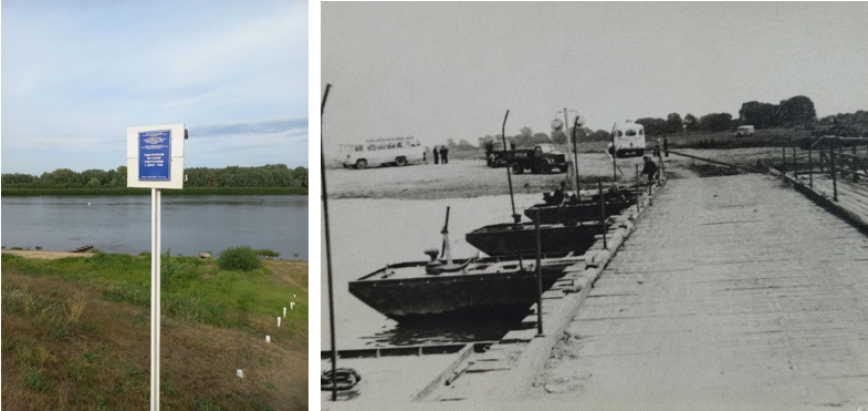
On August 9, 1876, a second-class pile-type hydrological station was opened in the urban settlement of Loyev, Gomel Region. According to chronicle data, a meteorological station had previously been located on the site of the hydrological station.
The Dnieper-Loyev hydrological station is situated within the protected zone of the cultural layer of the archaeological monument "Ancient Iron Age Settlement and the Territory of the Former Medieval Town of Loyev," 600 m downstream from the confluence of the Sozh River, on the city embankment of the Dnieper River.
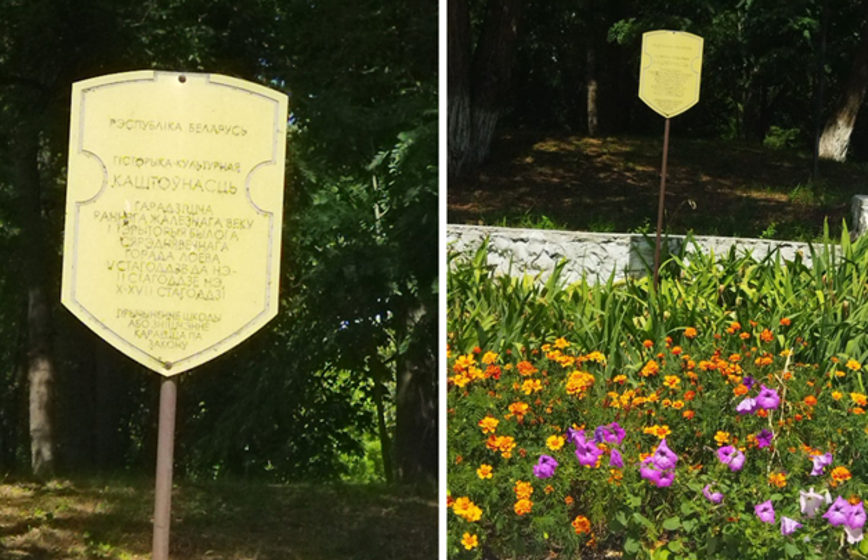
Protected zone of the cultural layer of the archaeological monument "Ancient Iron Age settlement and the territory of the former medieval town of Loyev"
The Early Iron Age settlement and the territory of medieval Loyev are a historical and cultural treasure of the Republic of Belarus. The embankment of Loyev, where the hydrological station is located, is the historical center of the urban settlement of Loyev in Gomel Region, situated at the unique confluence of two rivers – the Dnieper and the Sozh.
In the autumn of 1943, the Battle of the Dnieper unfolded here – one of the largest operations on the Eastern Front, the victory of which marked the beginning of the liberation of Loyev District from the Nazi German invaders. This breakthrough was of key importance for the subsequent successful liberation of Belarus. Its significance is evidenced by the fact that 438 soldiers were awarded the title of Hero of the Soviet Union for crossing the Dnieper. Such a mass award for a single operation was unique in the entire history of the war. The crossing of the river at this sector of the front was one of the bloodiest episodes in the famous Battle of the Dnieper. Today, a memorial complex stands on this site in memory of the fallen soldiers.
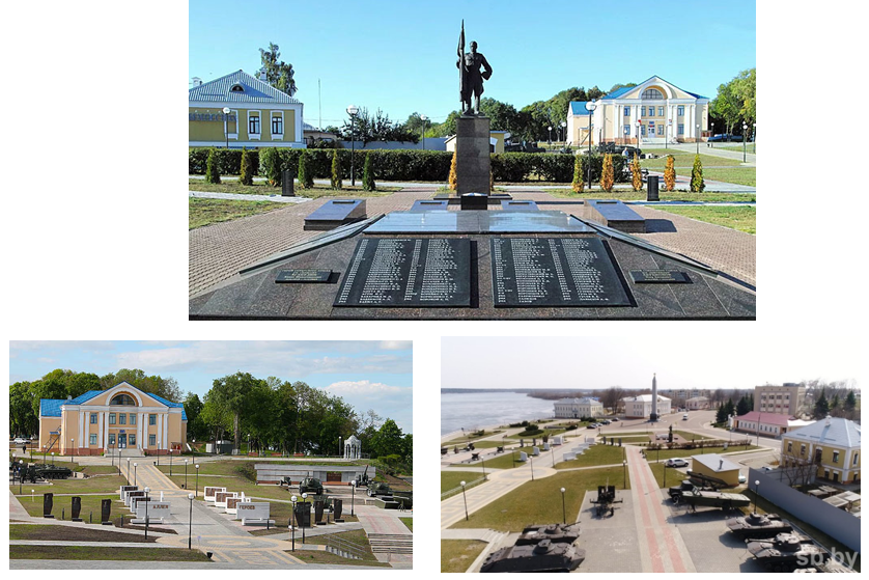
Memorial Complex "The Battle of the Dnieper"
Since its foundation, the Dnieper-Loyev hydrological station has operated almost without interruption in observations. There was only a brief hiatus from the beginning of the war until November 7, 1943.
Since 1931 and up to the present day, a family dynasty has worked at the hydrological station. Love and devotion to the work have been passed down from generation to generation. In 1931, Stepan Melnik began working at the station. He was a peasant's son with only self-education and a three-month party school behind him. Before that, he worked as a motor mechanic and then as a loader. He worked in the hydrometeorological service for 18 years. In 1949, Stepan retired. His son, Mikhail Artemchik, continued his father's work. He conscientiously labored at the hydrological station for 42 years, after which he retired.
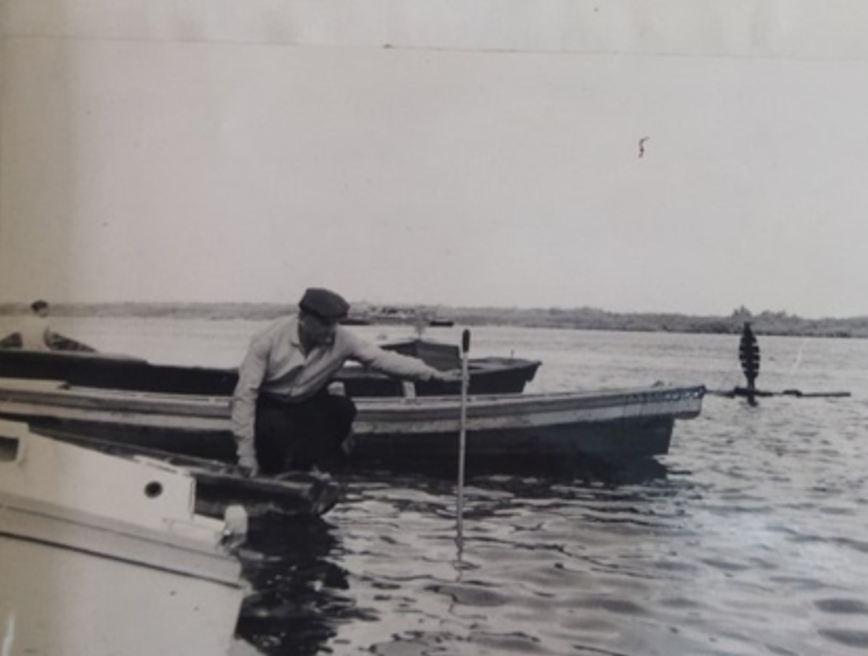
Mikhail Artemchik measuring water level from a boat
In 1991, Alexander Motorny took up the position of hydrometeorological observer at the hydrological station. He has been working here ever since. Alexander is the great-grandson of Stepan Melnik and the grandson of Mikhail Artemchik on his mother's side. In October of this year, it will be 35 years since he began his career in the state hydrometeorological service.
Alexander Motorny's duties include conducting observations of water level and temperature, precipitation, wind, ice phenomena, ice thickness, snow height on ice, conducting snow surveys along field routes in winter, as well as maintaining order at the hydrological station.
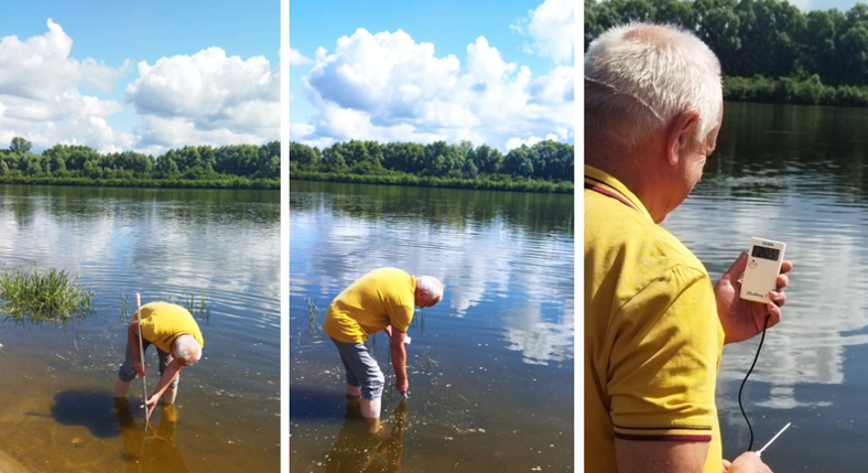
Hydrometeorological observer measuring water level and temperature
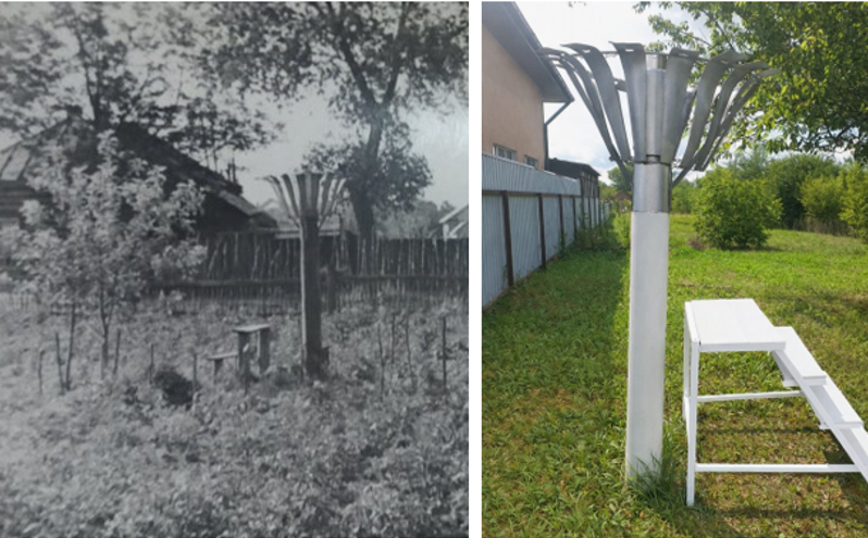
Rain gauge installation for measuring precipitation
The work of a hydrometeorological observer requires vigilance, attentiveness, responsibility, and enthusiasm for the job. His work is especially important during the spring flood period. After all, the hydrological information received from the observer is transmitted to executive and administrative authorities, emergency commissions, organizations in various economic sectors, and all interested business entities. Based on daily hydrological information, archival hydrological yearbooks are compiled, which are subsequently used in the design and operation of water management systems, waterways, hydroelectric power stations, and other structures on rivers.
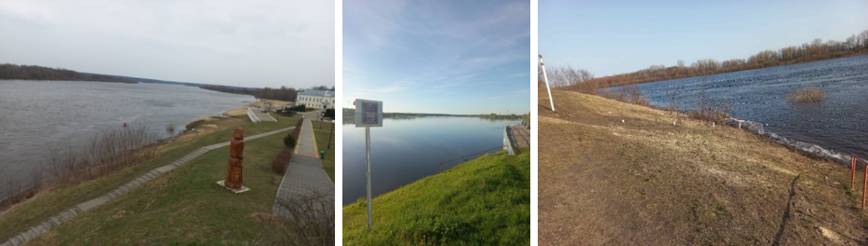
View from the hydrological station territory of the Dnieper River during the spring flood period
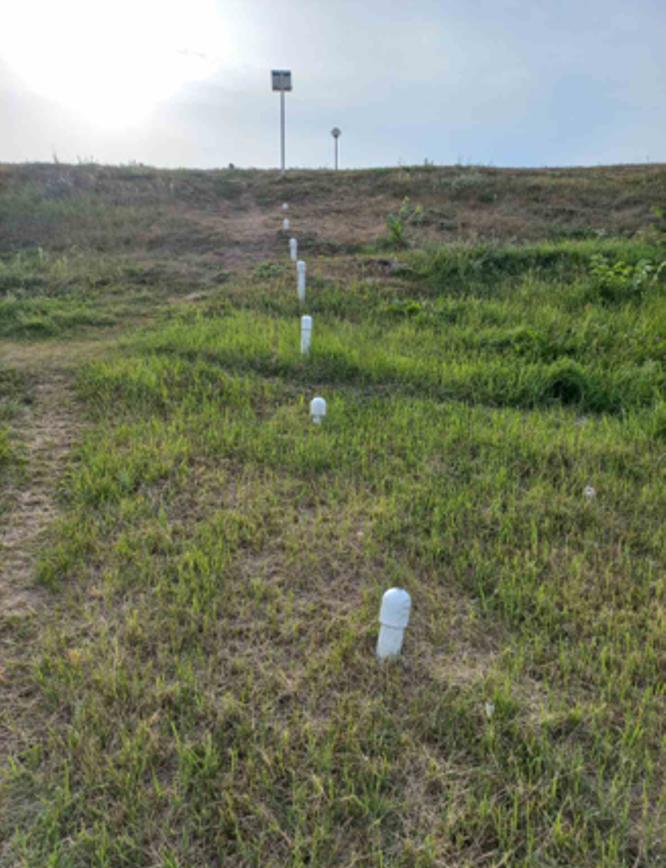
The Dnieper-Loyev hydrological station during the summer low-water period
Belhydromet congratulates Alexander Motorny, observer at the Dnieper-Loyev hydrological station, on the 150th anniversary of the station and thanks him for his conscientious many years of work! We wish him, as well as his family and loved ones, good health, success in all endeavors, well-being, and warmth of heart!
Information taken from the website of the Branch "Gomeloblhydromet".
Specialized sites
Informational resources
 State Symbols of the Republic of Belarus
 The National Legal Internet Portal of the Republic of Belarus
 The Ministry of Natural Resources and Environmental Protection of the Republic of Belarus
 The Official Internet Portal of the President of the Republic of Belarus
 The Portal for Rating Assessment of the Quality of Services Provided by Organizations in the Republic of Belarus
 The CIS Interstate Council for Hydrometeorology (CIS ICH)
 Information Analysis Portal of the Union State
 The Union State Committee on Hydrometeorology and Environmental Contamination Monitoring
 The Internet Portal "The Youth of Belarus"