

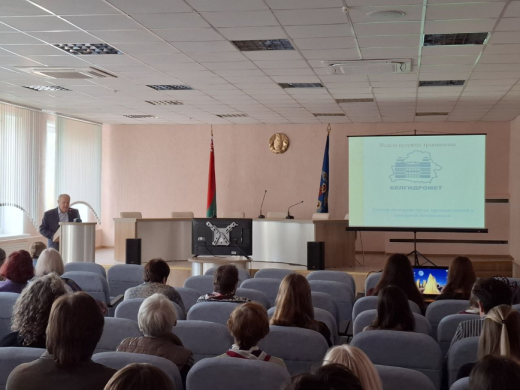
On October 8, as part of the Zero Injuries Week at Belhydromet, an instructional and methodological session was held with the heads of structural subdivisions. The event, dedicated to occupational safety issues, the conduct of briefings, the organization of internships, and control over working conditions in the workplace, was conducted by employees of the Occupational Safety, Industrial and Fire Safety Sector, Leonid Leonchik and Leonid Minko.
Occupational safety, as emphasized during the session, requires the personal active participation of the head of the enterprise and the entire administration. Improving occupational safety does not necessarily mean increasing costs — it is far more important that the administration acts consciously, provides consistent leadership, and creates an atmosphere of trust and open interaction at all levels of the organization. The success or failure of implementing the "zero injuries" strategy will ultimately depend on the commitment of employers and heads of the enterprise, the motivation of personnel, and the vigilance of workers.
During the session, the issues of organizing occupational safety briefings were examined in detail. Particular attention was paid to the procedure for conducting introductory, primary, repeated, unscheduled, and targeted briefings, as well as the timing of their conduct and the recording of results in the relevant journals. It was noted that a high-quality briefing is the first and most effective barrier to preventing accidents at work.
An equally important aspect was the topic of employee internships. Cases were analyzed in which an internship is mandatory: when hiring for work with harmful and (or) hazardous working conditions, when transferring to another job, and also when changing the technological process. The participants of the session received practical recommendations on drafting internship programs and evaluating their results.
A separate block of the session was devoted to monitoring working conditions in the workplace. Methods for assessing working conditions, the procedure for conducting periodic inspections and measurements of the levels of harmful production factors were considered. It was emphasized that systematic monitoring makes it possible to promptly identify deviations from regulatory requirements and take measures to eliminate them before a real threat to workers' health arises.
Concluding the session, Leonid Leonchik and Leonid Minko reminded the participants that the concept of zero injuries is not just a slogan, but a conscious strategy requiring daily work and personal responsibility from everyone. "We must all strive for zero injuries. To many this will seem impossible, but it is not. And therefore occupational safety must be much more than just occupational safety. Safe work must become the norm and a habit. It must begin with education, family, and society," the speakers emphasized.
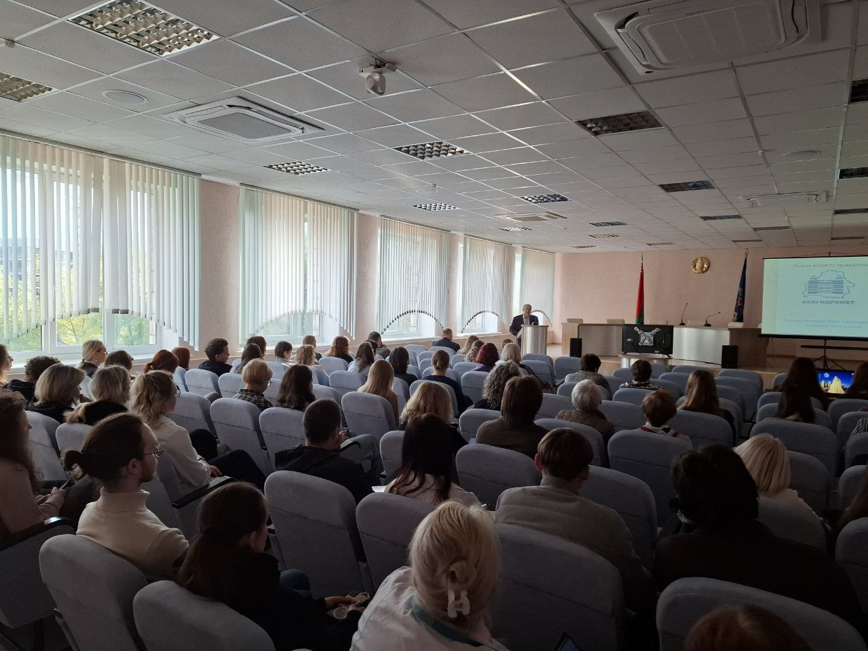
The instructional and methodological session held became an important step in implementing Belhydromet's policy of creating safe working conditions and forming a safety culture based on the principles of prevention, mutual support, and a conscious attitude of every worker toward their life and health.
© Belhydromet, 2016-2026